A home in the West Highlands need not mean a narrower life. Project Argyll is exploring rural estates precisely because they offer space, landscape, and a different rhythm of daily life. They can also provide a strong base from which to enjoy Scotland’s sporting calendar, festivals, islands, cities, and transport connections.
The final estate has not been selected, so exact journey times must wait until there is a specific location. That is important. Accessibility will be a material consideration in assessing every prospective site. The aim is not to promise that every destination is an effortless day trip, but to show that rural living can coexist with a rich and varied calendar beyond the estate.
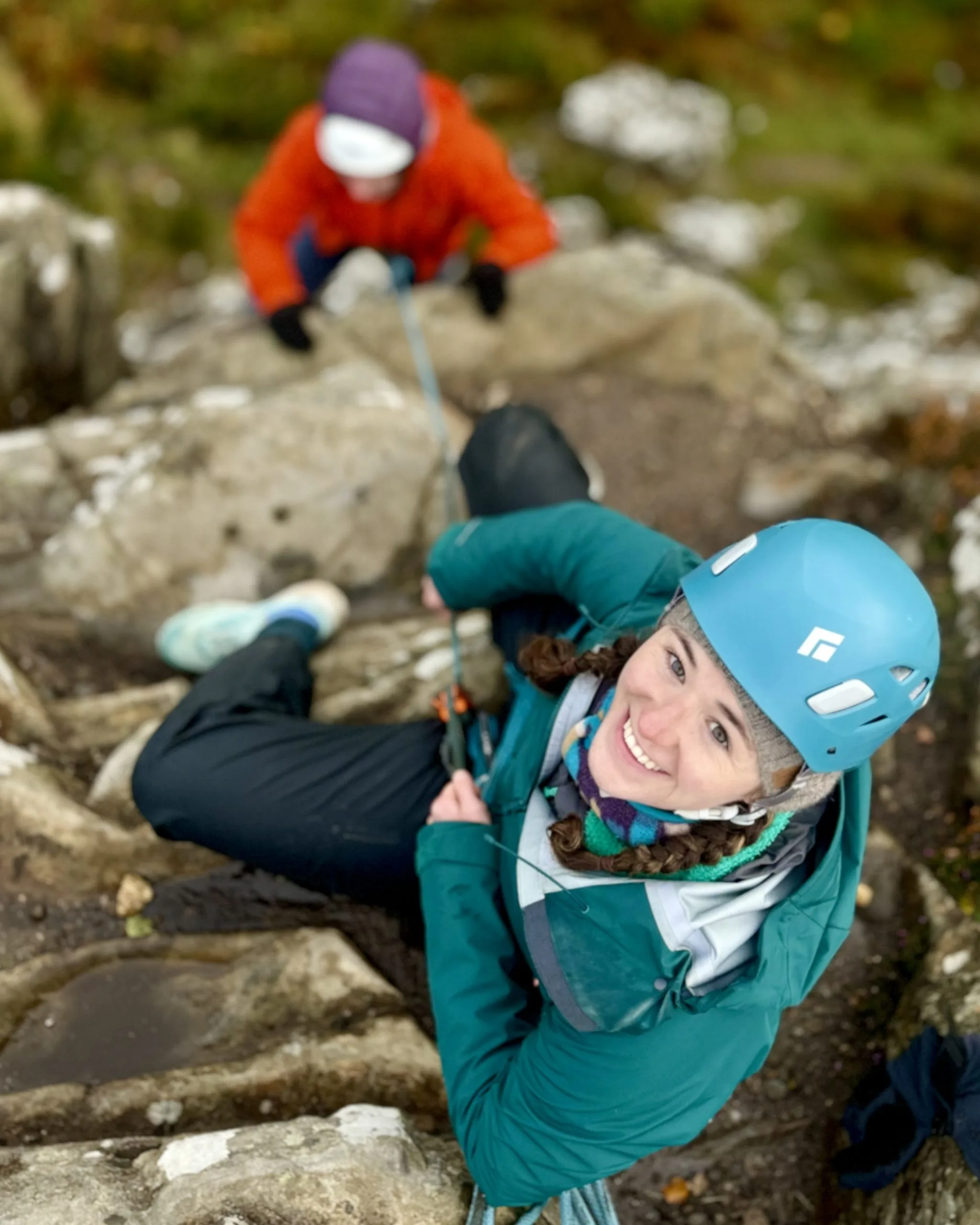
For Members who want an active life close to home, the western Highlands offer climbing, hillwalking, cycling, watersports, fishing, wildlife, and coastal travel. Fort William remains a major Highland base for mountain sport and is closely associated with the Scottish Six Days Trial, one of the country’s distinctive annual sporting occasions. Smaller local gatherings, shows, music events, and Highland games also form part of the region’s seasonal rhythm. VisitScotland’s Highlands guide provides a useful starting point for that wider calendar.
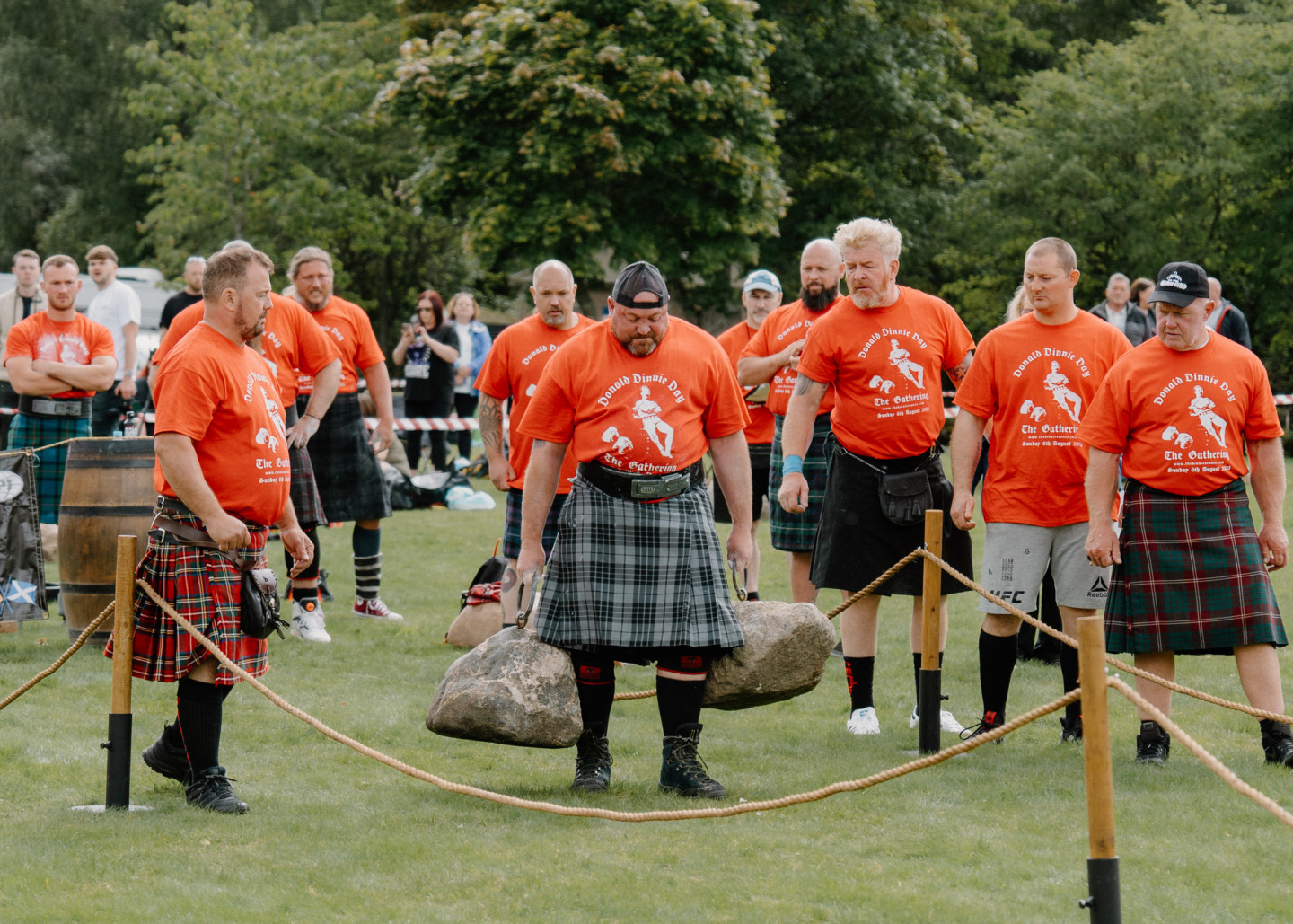
The Highland games are particularly valuable because they combine sport, music, food, craft, local identity, and intergenerational participation. The Cowal Gathering in Dunoon is one prominent example, while smaller games across Argyll and the Highlands give Members reasons to explore the communities surrounding the eventual estate. These are not simply visitor attractions. They are ways to become familiar with local places, traditions, and people.
The sea is another connection rather than a boundary. Oban and Mallaig are important gateways to the islands, while CalMac services connect the west coast with destinations including Mull, Tiree, Coll, Skye, and the Small Isles. Current CalMac timetables should always be checked before travel, particularly outside peak season, but the ferry network creates opportunities for day visits, long weekends, and more ambitious island journeys.
Island festivals extend that choice. The community-led Tiree Music Festival offers a summer destination shaped by music and island culture. HebCelt in Stornoway offers a larger Gaelic and island music experience for those willing to plan a longer trip. The Royal National Mòd similarly provides a major opportunity to engage with Gaelic language, music, and cultural life, with its host location changing between Scottish centres.
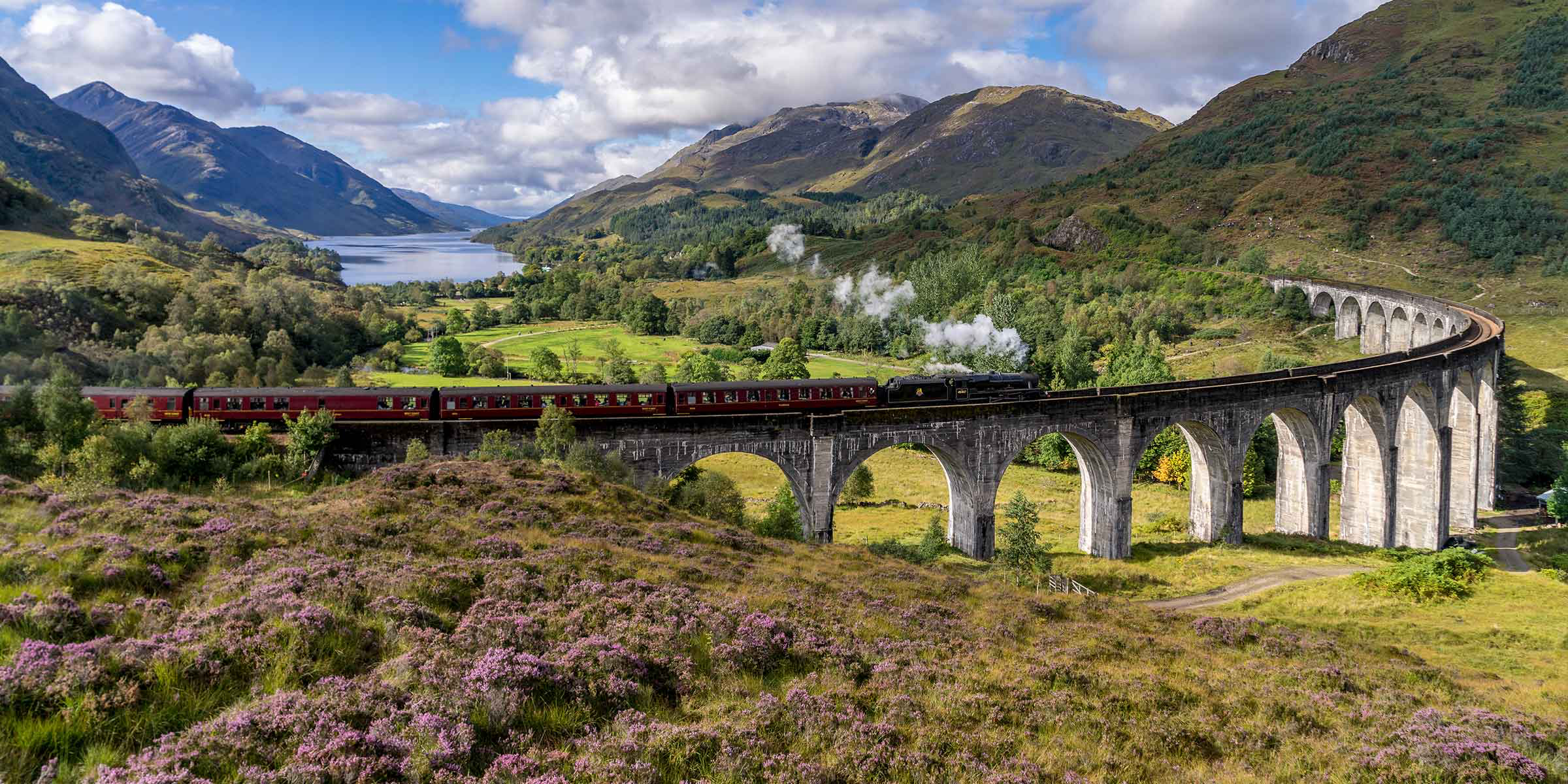
Rail is part of the appeal as well. The West Highland Line connects Glasgow with Oban, and with Fort William and Mallaig. It offers a practical alternative to driving for some journeys, as well as one of Scotland’s most memorable rail routes. From Glasgow, the wider national rail network, concert venues, museums, football, theatres, and airport connections become more accessible.
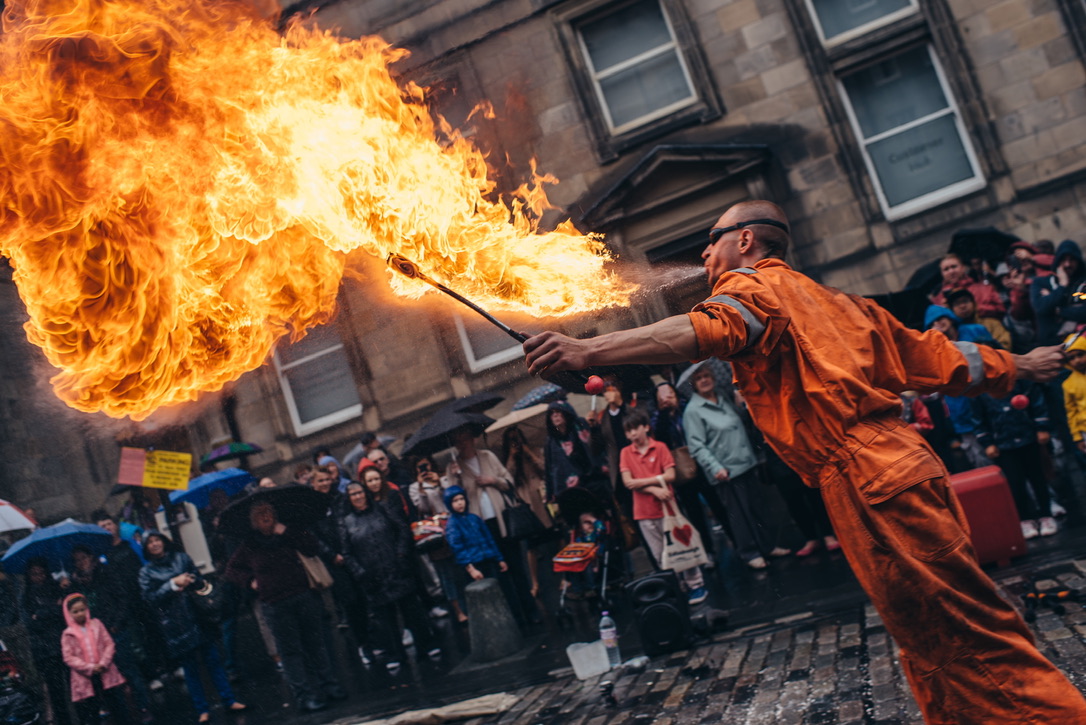
Edinburgh remains a more deliberate city break, rather than something to treat casually from every potential site. That is part of its attraction. The Edinburgh Festival Fringe runs for three weeks each August, bringing theatre, comedy, music, dance, visual art, and street performance into the city. It is a powerful reminder that choosing a home among forests, lochs, and hills does not mean giving up access to the country’s most ambitious cultural events.
Project Argyll is intended to make this balance more achievable. Members would have a place to return to after a festival weekend, an island sailing trip, a match in Glasgow, or a day in Edinburgh. The estate would provide the quieter counterpoint: a home base shaped by landscape, community, and long-term stewardship.
As the site search develops, access to Fort William, Oban, rail stations, ferry ports, major roads, and airports will remain part of the assessment. The Process, Membership, and Updates pages explain how Project Argyll is approaching those decisions openly, with the aim of creating an estate that is rural without being disconnected.