The new Values and Standards Framework sets out how Project Argyll intends to turn its principles into measurable practice. It begins from a simple proposition: residential development, environmental stewardship, community wellbeing, and long-term financial sustainability should reinforce one another. Statutory compliance is the floor. Where proportionate and useful, recognised guidance, independent assessment, and transparent internal standards should provide stronger evidence of performance.
The framework distinguishes four layers: statutory standards; best-practice guidance; independent certification; and internal standards where no suitable external measure exists. These are the areas where we want to prioritise investment over the early stages of the Project. Final choices will depend on the estate, planning, professional advice, cost, technical feasibility, and the value that each standard adds. Certification will be pursued for substance, not for a collection of badges.
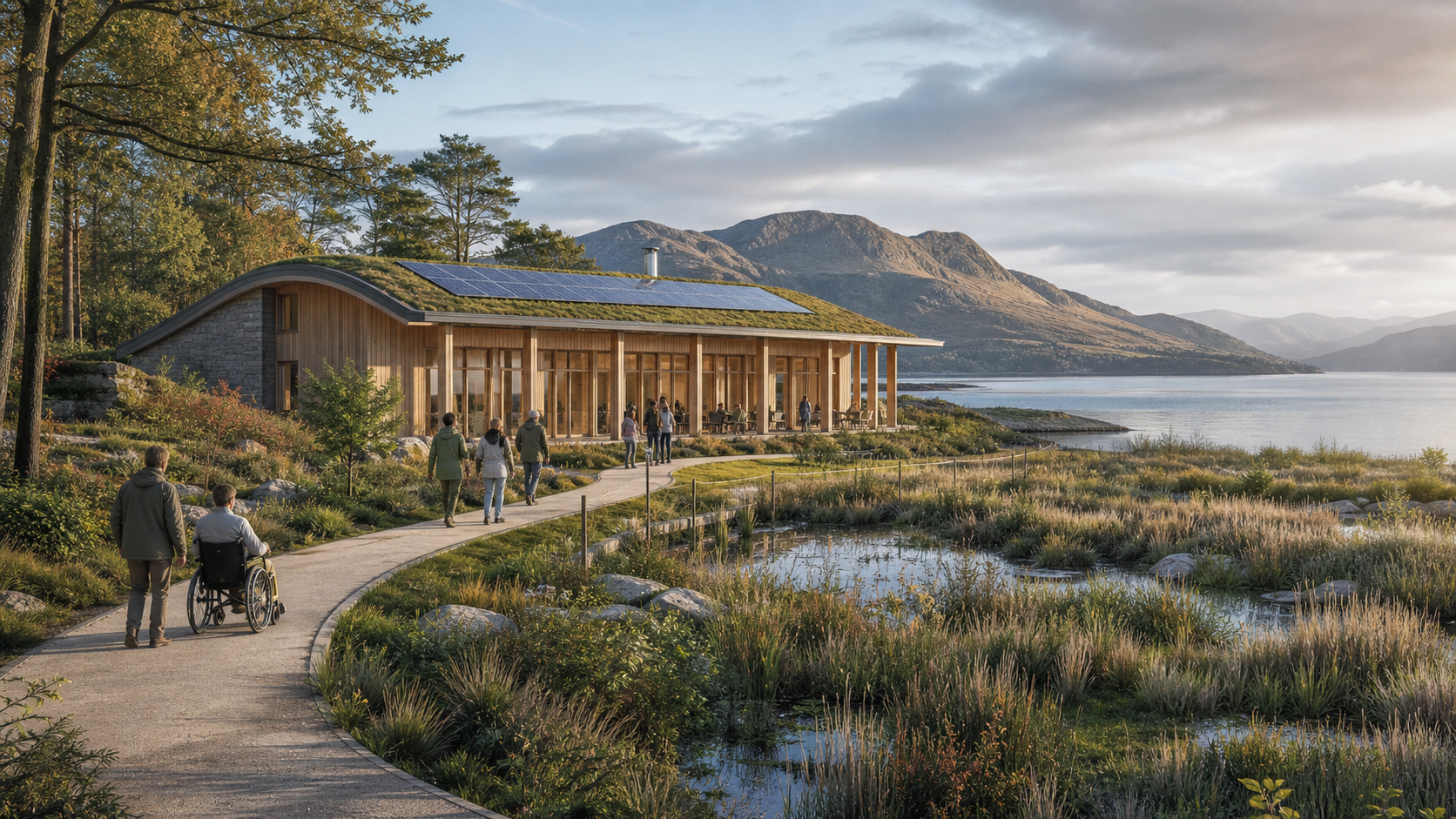
The governing principle is systems value optimisation. Instead of maximising one rating at disproportionate cost, decisions will consider carbon, biodiversity, water, energy resilience, accessibility, wellbeing, community benefit, maintenance, and financial resilience together. A wetland that improves drainage, habitat, water quality, flood resilience, and landscape character may be more valuable than an expensive final increment in a single score.
Core and shared buildings will aim for the higher level of performance or rating that the selected framework, budget, and site can responsibly support. They are the estate’s common infrastructure, will serve many people over long periods, and should demonstrate what the project values. They also offer the best opportunity to test ambitious approaches to low-energy construction, inclusive design, environmental management, and safe operation.
Members’ homes and private sites will not automatically be required to reach that same rating. Their minimum obligations will be defined through planning, building standards, leases, infrastructure requirements, and agreed estate rules. Even so, we hope members will join us in investing beyond the minimum, choosing efficient buildings, responsible materials, accessible layouts, sustainable drainage, habitat improvements, and designs that remain useful as needs change. Independence and stewardship should strengthen one another.
The portfolio below shows the organisations and standards currently informing the plan across governance, buildings, energy, water, biodiversity, forestry, tourism, accessibility, environmental management, and health and safety. It will be reviewed as guidance changes and evidence develops. One update is already necessary: VisitScotland retired its Quality Assurance scheme in March 2025, so an appropriate current tourism-quality approach must still be selected.
Planned standards portfolio